In this guide本指南目录
Nostalgia as an aesthetic engine怀旧作为美学引擎 The retro effect family复古效果家族 Modern use, not museum piece现代用法,而非博物馆藏品 A short recipe set一份短配方集Nostalgia as an aesthetic engine
Every generation reaches a point where the media of its childhood stops being 'old' and becomes 'cool'. VHS grain, CRT scanlines, and Y2K chrome were once flaws to overcome; now they're a language for saying this is from a specific, felt, remembered time.
That's why retro effects never truly leave: there is always a new generation discovering them, and an older one reconnecting. The aesthetic engine runs on collective memory, and memory doesn't expire.
The retro effect family
- VHS: scanlines, noise, color fringing — the 1990s camcorder tape.
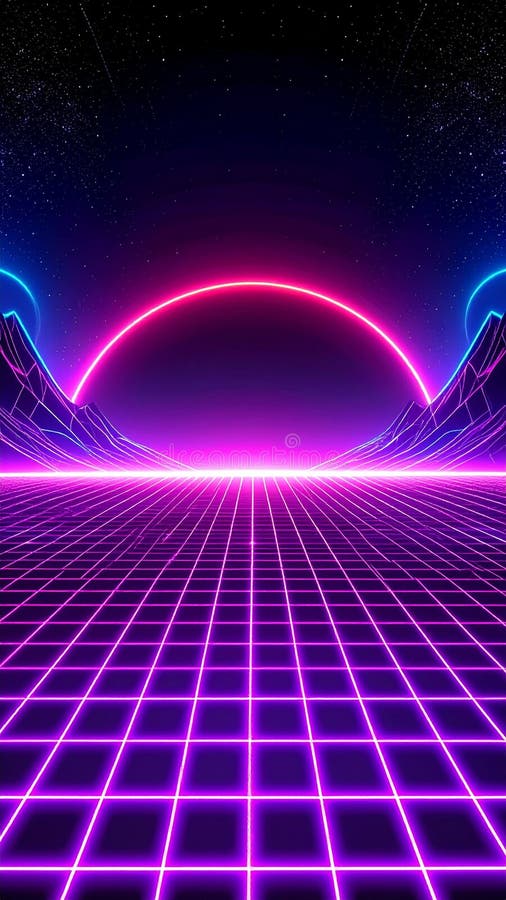
- Vaporwave: pink-cyan neon gradients and grid nostalgia — the 80s-future as imagined from the 2010s.
- Glitch: corrupted digital signal — the anxiety of the digital age, worn as fashion.
- Film grain: the analog texture that digital photos lack — universal and evergreen.
Each one adds a different kind of time: VHS adds recorded time, vaporwave adds imagined time, glitch adds broken time, grain adds organic time.
Modern use, not museum piece
The difference between nostalgic and dated is intention. Retro effects look dated when applied to dated subjects with dated composition; they look modern when applied to contemporary photos with confident framing.
Use retro sparingly: one effect, one strong subject, clean composition. A VHS treatment on a well-lit modern portrait reads as style; the same treatment on a cluttered snapshot reads as accident.
Retro is seasoning, not the meal. A restrained amount makes the photo feel curated; too much makes it feel like a time capsule.
A short recipe set
- VHS + portrait = album cover energy.
- Vaporwave + city night = synthwave poster.
- Glitch + product shot = tech-brand visual.
- Film grain + any photo = instant editorial warmth.
All of it runs locally and exports at HD — so the whole nostalgia machine lives in your browser, free and private.
The next nostalgia cycle
Nostalgia moves in 20–30 year waves. Right now, Y2K and early-2000s media are peaking; before long, the 2010s — flat design, early Instagram filters, chunky smartphone UI — will become someone's 'retro'. If you want to ride the wave early, the same tools that make VHS today will make '2013 era' tomorrow: the mechanics are identical, only the palette changes.
Mixing retro with modern
The most durable retro look is 70% modern, 30% vintage. Take a contemporary photo — clean, well-lit, modern framing — and add one vintage layer: grain, scanlines, a VHS timestamp. The contrast between new and old is what makes it feel intentional. Pairing retro effects with modern typography and layouts keeps the work out of the costume-box.
Audio-visual pairing
Retro visuals beg for retro audio. A VHS portrait paired with a lofi beat or tape hiss doubles the mood; a vaporwave grid without a synth soundtrack is half a meme. When posting, match the effect family to the sound — and remember that the visual alone is what you export from here; the sound is your soundtrack to add in any editor.
Frequently asked questions
Is retro content still growing or dying? Growing. Nostalgia cycles lengthen as archives become accessible — every new generation rediscovers the 80s, 90s and 2000s on its own terms. The formats change (VHS tapes → VHS filters), but the appetite doesn't.
Do retro effects hurt professional credibility? Only when overused or misapplied. A subtle film grain on a portfolio piece reads as craft; heavy VHS on everything reads as a phase. Use it like seasoning, on the right dishes.
What's the difference between VHS and vaporwave? VHS mimics recorded tape — scanlines, noise, timestamps — the language of the 90s living room. Vaporwave is imagined 80s futurism — neon grids, pink-cyan gradients, Greco-Roman statues. One is memory, the other is fantasy.
Can retro effects work for products? Yes — streetwear, vinyl labels, game studios and podcasts all use retro treatments to signal personality. Pair the effect with a clean, modern product shot so the vintage layer reads as deliberate.
What makes retro feel genuine instead of kitsch? Restraint and purpose. A genuine retro piece serves a subject the aesthetic fits — a memory, a mood, a brand voice. Kitsch is retro applied without reason. Ask why the time period matters to this photo, and the answer keeps the work honest.
怀旧作为美学引擎
每一代人都会到达一个节点:童年时代的媒介不再「老旧」,而变得「很酷」。VHS 颗粒、CRT 扫描线与 Y2K 镀铬曾经是要克服的缺陷;如今它们成了一种语言,表达「这来自一段特定的、被感受过的、被记住的时光」。
这就是复古效果从不真正退场的原因:总有一代新人去发现它,也有一代旧人重新连接它。这台美学引擎靠集体记忆运转,而记忆不过期。
复古效果家族
- VHS:扫描线、噪点、色边——90 年代家用摄像机磁带。
- 蒸汽波:粉青霓虹渐变与网格怀旧——2010 年代想象的 80 年代未来。
- 故障:损坏的数字信号——数字时代的焦虑,被当作时尚穿着。
- 胶片颗粒:数码照片缺失的模拟质感——普适且常青。
每种效果都添加了不同的时间维度:VHS 是被记录的时间,蒸汽波是被想象的时间,故障是被损坏的时间,颗粒是有机的时间。
现代用法,而非博物馆藏品
怀旧与过时的区别在于意图。复古效果用在过时的题材与过时的构图上显旧;用在自信构图的当代照片上则显新。
克制使用:一个效果、一个强主体、干净构图。光线充足的现代肖像加 VHS 处理读起来是风格;同一处理加在杂乱快照上读起来是事故。
复古是调味料,不是主菜。适量让照片显得经过策划;过量让它像时间胶囊。
一份短配方集
- VHS + 肖像 = 专辑封面能量。
- 蒸汽波 + 城市夜景 = 合成器浪潮海报。
- 故障 + 产品图 = 科技品牌视觉。
- 胶片颗粒 + 任何照片 = 即时编辑感暖意。
这一切都在本地运行并支持高清导出——整台怀旧机器就在你的浏览器里,免费且私密。
The next nostalgia cycle
怀旧以 20–30 年为周期波动。眼下 Y2K 与 2000 年代初的媒介正处峰值;用不了多久,2010 年代——扁平设计、早期 Instagram 滤镜、厚重手机 UI——会成为某代人的「复古」。想提前冲浪,今天做 VHS 的工具明天就能做「2013 时代」:机制相同,只换配色。
Mixing retro with modern
最耐用的复古风是七成现代、三成复古。取一张当代照片——干净、明亮、现代构图——叠加一层复古:颗粒、扫描线、VHS 时间戳。新旧对比正是让它显得刻意为之的东西。把复古效果与现代字体和版式搭配,能让作品远离戏服箱。
Audio-visual pairing
复古视觉呼唤复古声音。VHS 肖像配 lofi 节拍或磁带嘶声,氛围翻倍;蒸汽波网格没有合成器配乐就只是半个梗。发布时让效果家族与声音匹配——记住你从这里导出的是视觉本身;声音是你在任意编辑器里添加的配乐。
Frequently asked questions
复古内容还在增长还是已死?还在增长。随着档案变得可获取,怀旧周期在拉长——每一代新人都用自己的方式重新发现 80、90 与 2000 年代。形式在变(录像带→VHS 滤镜),胃口不变。
复古效果会伤专业可信度吗?只有过度使用或误用时才会。作品集上一抹微妙胶片颗粒读作手艺;到处套重 VHS 读作一时兴起。像调味料一样,用在对的菜上。
VHS 与蒸汽波有什么区别?VHS 模仿被记录的磁带——扫描线、噪点、时间戳——90 年代客厅的语言。蒸汽波是想象的 80 年代未来——霓虹网格、粉青渐变、希腊罗马雕像。一个是记忆,一个是幻想。
复古效果适合产品吗?适合——街头服饰、黑胶厂牌、游戏工作室与播客都用复古处理传达个性。把效果配干净现代的产品图,复古层才读作刻意为之。
什么让复古真实而非俗气?克制与目的。真正的复古作品服务于美学契合的主体——一段记忆、一种情绪、一个品牌声音。俗气是毫无理由地套复古。问一问这个时代为什么与这张照片有关,答案会让作品保持诚实。
Ready to try it yourself?想亲手试试吗?
Open the tools and turn your own photos into art — free, private, unlimited.
打开工具,把自己的照片变成艺术品——免费、私密、不限次数。